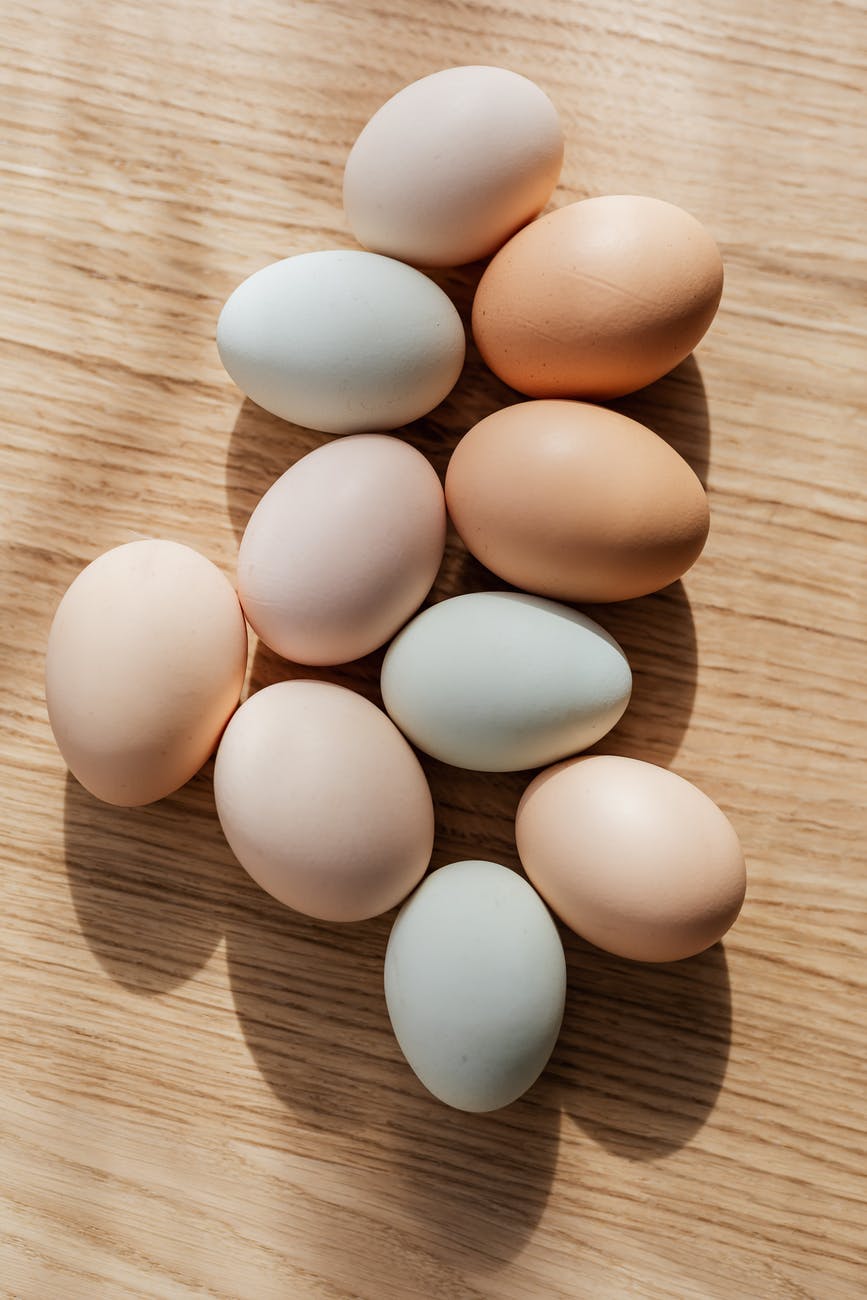
The time is coming when our lovely lady chickens will start pumping out more eggs than we will know what to do with. There are many ways to rid yourself of the surplus, like selling to your neighbors, but I want to share how to pickle those little gold-filled gems. There are more recipes that you can find online with a simple search, but I am going to share with you the recipe that I use.
Pickled Eggs can be stored in the fridge, or you can water bath them for 10-15 minutes and store them in the cabinet.
What You Need:
- 4 cups vinegar (I like to use half and half white vinegar and apple cider vinegar)
- 1 cup water (avoid tap water if possible)
- 1/2 cup pickling or sea salt (avoid iodized salt)
- 1 clove of garlic p/ quart jar
- 1/2 tsp. turmeric powder p/quart jar
1 quart=12 large eggs
If using Quail, Banty, or Jumbo eggs, your egg count will vary.
For easy-to-peel farm fresh eggs, leave unwashed eggs on the counter for a week before use, and they will peel as easily as a store-bought egg, if not easier.
I have not found that adding salt or vinegar to the water helps peel the egg. The ONLY thing that has worked for me is letting them age on the counter for a week or two during the winter (maybe even in the summer? Don’t judge, I forgot about them).
Do a float test if you are worried about bad eggs after letting them sit on the counter. If the egg floats, throw it out…or crack it in a separate bowl to check if it is good. I have had usable eggs that floated, but the general rule is Float=no good.
Of course, you won’t be able to hard boil if you crack it to check, but it’s good to know. I hate throwing out eggs that might be good for something.
How-To:
- Hard boil your eggs. Don’t overfill your pot, and don’t use refrigerated eggs if you can help it, or you can bring down the water temp and affect boil time. Boil for 12 minutes.
- Drain and cover with cold water. Set aside to cool.
- In a medium saucepan, add vinegar and water. Once it starts simmering, add salt and stir to dissolve. Remove from heat.
- If water bathing, bring it to a boil and sterilize/heat jars; otherwise, the brine only needs to be hot enough to dissolve the salt.
- Peel eggs once they are cool enough to handle. Rinse off all shell bits.
- If water bathing is to store in the cabinet, only use whole eggs without the yolk showing.
- In a quart jar, add garlic and turmeric.
- You can also add cayenne or red pepper flakes for some spice. I prefer adding a whole cayenne pepper p/quart for a mild spice.
- Pour in a small bit of brine and swirl to incorporate turmeric powder.
- Add eggs to jars. I prefer regular mouth jars, so once you stuff the eggs in the jar, they don’t float.
- Pour brine over eggs, making sure to cover eggs completely but leaving 1″ headspace.
- Clean rim and cap.
- After the contents have cooled, store in the fridge for at least 3-4 days before enjoying.
Never shake a capped jar with hot contents. It will explode out of the sides of the lid and burn you.
To Water Bath:
- Use a large stew or pressure canner pot. Whatever it is, you need to be able to cover your jars with at least 1″ of water.
- Use a canning rack, or cover the bottom of the pot with mason jar rings. You need your jars elevated off the pot’s bottom to prevent jars from shattering or scorching the food inside. If using rings, ensure the jars won’t fall over while the water is boiling.
- Heat up water, and after adding hot brine to hot jars (lids should be hand-tight), carefully place jars in the hot water. Bring to a boil, and set a timer for 10-15 minutes.
- Pull jars out with canning tongs. I also like to use silicon mittens to keep from dropping jars because I refuse to put all my trust in the tongs, but I wouldn’t advise using the mittens to retrieve jars from boiling water. They will heat up, and you risk water getting in the top if you have a lot of water in the pot.
- Flip the jars upside down on a towel for 5 minutes, then flip them upright.
- Let cool, and eventually, you will start hearing the lids ping as they seal.
- Sealing can happen in 5 minutes or take an hour or more. I have had varying seal times over the years for everything I can, whether with water bathing or pressure canning.
- After your jars are completely cool, store them in a cool, dark area.
- Any jars that do not seal can be stored in the fridge like usual.
Never put hot jars directly on your countertop or in the fridge. They may shatter.
I hope you learned something today! Comment and let me know if you have any other Pickled Egg recipes. I would love to hear them. Please like or subscribe to this blog, or follow me on social media to stay updated when I post new content.
Subscribe to get full blog access.
Many blessings,
Emma Lee


 Red Hawk Ridge
Leave a comment