
Elder, Sambucus nigra, or S. canadensis, is probably one of the most well-known medicinal herbs. It is a godsend during cold and flu season, and Sambucol, a patented Israeli drug, contains Elderberry. It is active against various strains of viruses and is even being tested against HIV and herpes.
However, the actual berries of Elder are just as great, and even more so in the area of prevention. A syrup or tincture made of Elderberries, taken daily, can help boost the immune system and protect you against serious illness. Because it is so popular, certain times of the year can bring about scarcity, especially during the fall and winter. It is best to stock up on dried berries and homeopathic remedies when you can find them because when you need them most, they might not be available. Syrups are much more palatable, making them a great preventative and remedy for illness in children. You can also make gummies from the syrup. The recipes can be found in the Subscriber Content section below.
Not only are the berries wonderful remedies, but the flowers, which the berries form from, are wonderful in treating fever, colds, flu, and hay fever. Elderflower infusion can also be brewed and put into a bath to promote sweating and support a fever that is fighting off infection. The infusion is also known to reduce feverish chills, making the experience a little easier.
Contrary to modern belief, fevers are actually your friend.
Giving fever reducers does not help the overall situation. It just makes a person comfortable for a little while. It is better to be a little uncomfortable and get through an illness faster than suppressing all the symptoms meant to help your body fight. Think of a sick body as a battlefield, and remember, war isn’t easy.
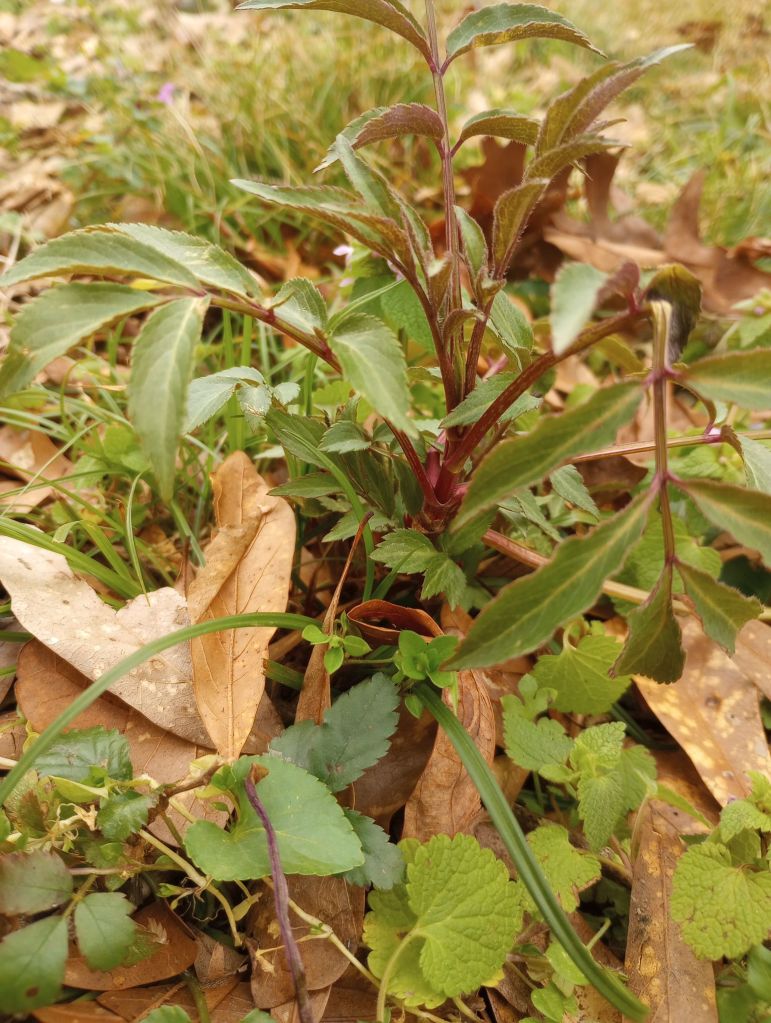
Elder is a shrub to small tree up to 10-14 feet tall, with clusters of white flowers in spring and summer, followed by green, then nearly black berries in the summer and fall. She likes to grow along hedgerows, riverbanks, in the woods, and on waste ground.
Elderflowers contain:
- Flavonoids (up to 3%)-rutin
- Phenolic acids
- Triterpenes
- Sterols
- Volatile oil (up to 0.2%)
- Mucilage
- Tannins
Leaves contain:
- Cyanogenic glycosides
Elderberries contain:
- Flavonoids
- Anthocyanins
- Vitamins A and C
Key Actions include:
- Increases sweating
- Diuretic
- Anti-inflammatory
CAUTION: Elder can be mistaken for Poison Hemlock, so it is best to do extensive research before trying to wildcraft this plant.
Bark, leaves, and wood are poisonous. Berry clusters need to be flat, not rounded, and the berries and flowers have compounds that can disrupt chemotherapy drugs.
Some say the Elderberries are toxic and shouldn’t be eaten raw. This refers to the seeds in the berries, especially that of the red-berried Elder. Black Elder is usually what people are talking about when they speak of this wonderful lady. Elderberries can cause diarrhea if eaten raw in large quantities, but as food, they are usually cooked, making them safe. In a tincture, the seeds are strained out prior to ingestion.
Yarrow, Queen Anne’s Lace, Elder, and Poison Hemlock all have very similar white flowers. It’s the leaves and stalk that you really want to learn to differentiate.
Elder is native to Europe but has been naturalized in North America. I have lots of it growing down in the valley in front of my house, growing in both full sun and partial shade. It does prefer to be well watered, which is why it seems to like to pick low-lying areas here in Texas.
Elder flowers are tasty treats raw, fried, or thrown into muffin and pancake batter, and can also be used to flavor a variety of drinks. The berries, however, are NOT tasty raw because of the volatile oils in them. Drying or cooking does away with these oils though, creating a lovely tasting berry. Avoid eating the seeds.
Elder leaves can be made into a topical skin remedy for bruises, sprains, and chilblains but should never be ingested.
To harvest, you will want to pick flowers on a dry, sunny day, choosing the flowers that smell lemony and fresh. In damp weather or shady areas, the flowers can smell funky, which you don’t want. Pick the entire flower head. If you want to dry for tea, spread the flower heads out on paper to dry, then use a fork to strip the blossoms off of the stems. Elderflower season is relatively short, so pick them while you can find them and dry them for later use. You can also, of course, make tinctures, syrups, and other remedies with fresh flowers to preserve them rather than drying them. If you want tea year-round, however, you will want to dry some flowers.
When picking berries, take the entire head rather than trying to take individual berries. You can stick the berries in the freezer and then break or shake the berries off for easy stem removal. It doesn’t have to be as fiddly as you would think it is.
Elder is highly steeped in folklore. You can find many tales about it, be it faerie or pagan based. Some say that the Earth Mother lives within the Elder tree, which is why many cultures have ceremonies to ask permission before cutting them down for fear of the spirit within the tree exacting revenge on those who do not get permission. Other stories tell of being a witness of the Faery King riding by when in the presence of Elder during Midsummer night. It is also said that if the Elder plants itself in your garden, that means the Earth Mother has chosen to protect your house from lightning and your cattle from harm. It is all very interesting and if you are into that kind of thing, Elder will not disappoint if you go looking for stories about her.
Some stories even say that Christ was crucified on an Elder tree and that Judas hung himself from one, but I have also heard the same tale regarding the Dogwood tree, so who knows. The same curse some have heard of being placed on the Dogwood tree also pertains to the Elder tree. The curse states that God cursed the Elder by making its once large berries small and its straight branches twisted and weak after Jesus was crucified on it, meaning if true, it would have been a much stronger wooded tree with large berries before. Again, both the Dogwood and Elder have the same stories attached to them, so come to your own conclusions. I find it all fascinating.
“Elder flowers dry boyled in milk & drink it at night. It weill sweat & do much good.“
Book of culinary recipes 1739-79
There are many ways to prepare Elder flowers and berries into a medicinal remedy for colds, flu and cough, along with fever, sore throats, hot flashes, stuffy noses, and much more. Elder is a wonderful plant to have on hand, be able to recognize and wild craft, and have remedies readily available to you regardless of the time of year. Syrup, gummies, and tinctures can easily be taken daily to increase the efficacy of your immune system to fight off various illnesses and diseases throughout the year. Again, this is a very popular plant, even in mainstream medicine, and can become scarce during cold and flu season. Get it while you can, stock up, and be prepared when illness creeps in. It is also cheaper to get your hands on when not actively in the middle of a high-demand season, just so you know.
Subscribe to get access to the rest of this post.
If you enjoyed today’s Herb of the Week, subscribe to this blog and I’ll see you back here next week! In the meantime, you can check out my Etsy shop where I sell natural remedies (including Elderberry Tincture), read more about my products on my Apothecary page, and find me on Facebook and Instagram!
Many blessings,
Emma Lee Joy
Information in this article was derived from personal knowledge and experience, as well as the following texts:
* “Encyclopedia of Herbal Medicine, 2nd Edition” by Andrew Chevalier FNIMH, pg. 132
* “Backyard Medicine, 2nd Edition” by Julie-Bruton-Seal & Matthew Seal, pg. 69-73
* “The Green Pharmacy” by James A. Duke, Ph.D, pg. 136-137, 146, 198, 270-271, & 425
* “Medicinal Herbs: A Beginner’s Guide” by Rosemary Gladstar, pg. 134-138

 Red Hawk Ridge
Leave a comment