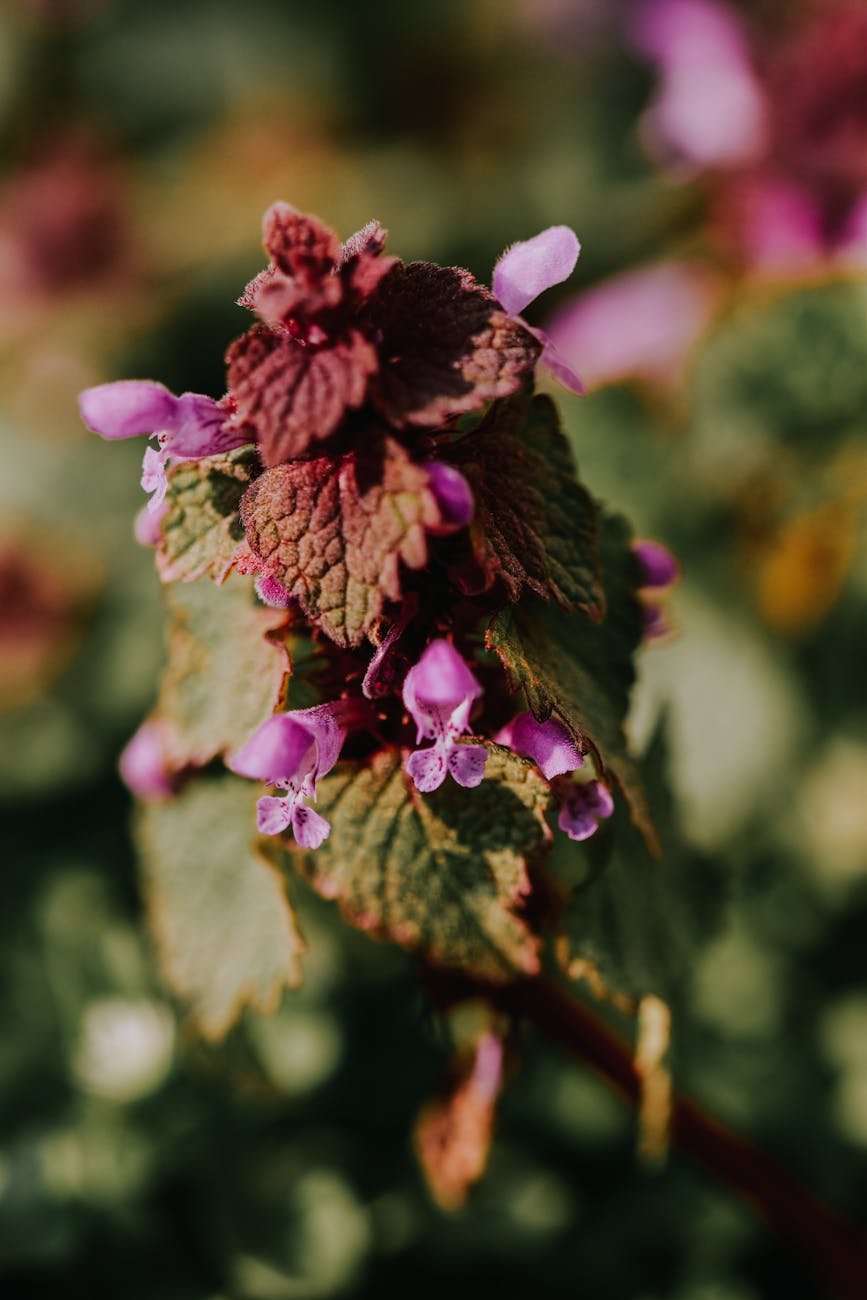
Purple Deadnettle, Lamium purpureum, is a member of the Lamiaceae (Mint) family. It is related to White Deadnettle, which is what you will typically find in herbalism books, but today’s post will cover the purple variety, as that is what I have growing in my yard. They are used in similar ways, so if you are blessed with the Archangel variety, good for you!
Purple Deadnettle is native to Europe, North Africa, and Siberia, but has been naturalized in Canada, Greenland, Iceland, and clearly North America, because this lady is EVERYWHERE here is East Texas! Alongside Violet and Henbit, it’s one of the first flowers to bloom in January to February. It can be eaten raw in salads, blended into smoothies, or cooked into soups, sauces, etc.
You will find a Deadnettle & Chickweed Fritter recipe in the subscriber section.
Deadnettle is a hairy plant, which is a defensive trait that prevents it from being readily eaten by herbivores. Use the top few inches of young plants to eat raw, unless you are into fuzzy salad, and refrain from using it at all once it goes to seed as it can be tough and stringy when mature.
FUN FACT: Along with a handful of other plants, the seeds of Deadnettle contain an appendage called an elaiosome, which is a white or translucent blob or mohawk rich with lipids and proteins that ants love. They carry the seed away, eat the nutritious elaiosome, and discard the seed, where it will germinate and grow in the fertile dirt of the ants’ “trash pit.”
Deadnettle is named for its similar look to stinging nettles, but she doesn’t sting!
Deadnettle has square stems, opposite leaves, grows to about 18 inches tall, and dark green to purple ovate (oval-shaped) leaves with little rounded teeth on the edges. Leaves grow up to be about an inch long. The lower portion of the plant has widely spaced leaves, but the closer to the top they are, the closer they get, and are very close together at the head with the flower whirls. Flowers contain 6-10 pink or purple flowers, which are technically 5 petals, but they are fused together to create a two-lipped flower tube about a quarter inch long. As stated before, she is a little fuzzy, but cooking takes care of that if you can’t handle the texture.
Wild foods contain more vitamins and minerals than cultivated foods, and raw food has the most benefits as heat and cooking can destroy beneficials nutrients.
Key Actions:
- Antihistamine
- Anti-inflammatory
- Antimicrobial
- Astringent
- Immunostimulant
- Nutritive
- Styptic
Energetics:
- Warming
- Drying
Deadnettle Contains:
- Quercetin-flavonoid with immunostimulant and anti-inflammatory properties that can be used to ease allergies and other chronic inflammation like rheumatism.
- Volatile Oils-antimicrobial properties helpful against candida overgrowth, and astringent properties used to stop bleeding, like heavy menstrual flow or wounds.
- Polyphenols-compounds with antioxidant properties, associated with a wide range of benefits, including cardiovascular health and gut health.
Harvesting:
Gather the first 2-4 inches of flowering tops in early spring to add to food, eat as a snack, or dry for later medicinal uses. Deadnettle is often confused with Henbit, which can usually be found growing close by, but it is also edible.
An infusion made from Deadnettle, drunk regularly, can reduce stress, combat the effects of aging, and improve cognitive function.
Infused oil can be used therapeutically, medicinally, and culinarily. Culinary oil is best made with fresh Deadnettle so check out my post on making infused oils to avoid mold. You can make home-made salad dressing with it and get the health benefits. Bonus points if you make a salad with fresh Deadnettle tops.
A salve made with Deadnettle infused oil can prevent infection, promote healing, and protect the injury from debris. It is also great for chapped lips, fingernails, sunburn, arthritis pain, and soothing older injuries. Peppermint is a great addition to Deadnettle salve and lends a cooling effect.
A Deadnettle tincture can help urinary tract infections and edema (excess swelling caused by fluid trapped in body tissue). High in antioxidants, Vitamin C, and other immune-boosting properties, this lady is also an ally in flu season, while the anti-inflammatory phenols and flavonoids soothe earaches, headache, and gut tissues. You can also put the tincture in a spray bottle and use it as a throat spray to bring down swelling and support the immune system.
Antihistamine properties help with seasonal allergies and is a great addition to home-made cough syrup.
Like many other early plants, Deadnettle is also great for making a quick field poultice. And what’s even better is that Deadnettle is a styptic like Yarrow, which means it can help stop bleeding along with being antibiotic and antimicrobial.
Subscribe to get full blog access.
If you liked today’s post, like and subscribe to this blog to get updated when I post. If you are interested in natural herbal remedies, check out my Etsy shop or head over to my Apothecary page for more info on the products I offer. Orders over $35 get free shipping, and there are some new products being added, so check back on occasion to see what else I have to offer. You can also follow me on Facebook and Instagram.
Many blessings,
Emma Lee Joy
Information in this article was derived from personal knowledge and experience, as well as the following sources:
* http://www.chesnutherbs.com/purple-dead-nettle/
* http://www.primalsurvivor.net/purple-dead-nettle/
* http://www.theherbalacademy.com/blog/purple-dead-nettles/

 Red Hawk Ridge
Leave a comment