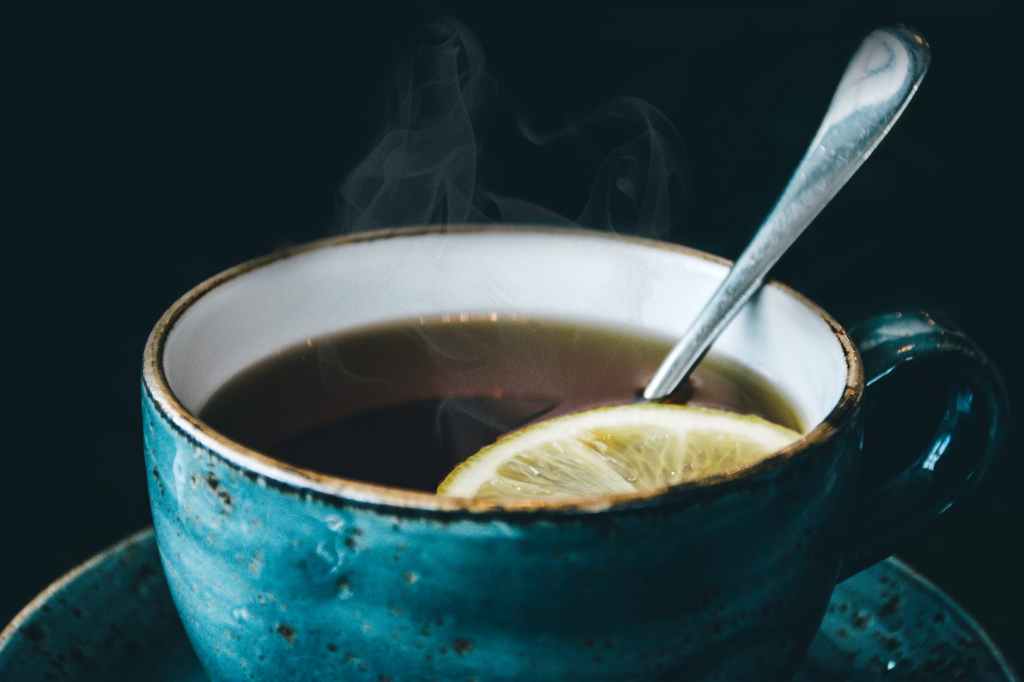
Herbal Infusions are the simplest way to prepare the delicate aerial parts of plants, like the leaves, flowers, buds, some berries and seeds, and other aromatic plant parts, without destroying the enzymes, vitamins, and precious essential oils you want from the plant.
If you have ever made tea, you have basically made an infusion. Infusing herbs is the process of steeping a plant in just-boiled water like you would black tea.
Herbal teas can be good for health, but they are mostly drunk for pleasure, not healing. They are not as strong as medicinal teas and generally can be consumed 5-6 times a day. Medicinal teas use more herbs and are steeped longer, which can make bitter remedies depending on the plants you use. Medicinal teas can be tasty if you know what you are doing. Medicinal teas should be consumed in fewer quantities than herbal teas, and not all herbs are safe to consume this way.
Do your research on your herbs before ingesting them.
Infusions can be drunk hot or cold and sweetened with honey or other sweeteners to make them palatable. Lemon is also tasty in many herbal infusions.
Some herbs, like Yarrow (Achillea millifolium), are stronger than herbs like Chamomile and must be drunk less frequently. And some herbs, like Feverfew (Tanacetum parthenium), are so strong that they are unsuitable for infusions. Always check recommendations on dosages so as not to overdo it. Wrong dosages can lead to unwanted effects like diarrhea, and in severe cases, damage organs like the kidney and liver.
When making medicinal tea, it is better to make a quart jar rather than one cup because the process takes longer than infusing regular herbal teas. The infusions can be reheated if you prefer them warm. Water does not have preservative properties, so infusions do not last long, but they can be left out at room temp for about a day. If it starts smelling stale or tastes flat, brew another batch. Infusions can last 1 or 2 days in the fridge.
HOW TO MAKE A MEDICINAL INFUSION:
-Put 4-6 tbsp. dried herb, or 6-8 tbsp. fresh herb in a glass quart jar.
-Bring filtered or distilled water to a boil, and then pour over the herb to fill the jar. I like to run the outside of the jar under hot water first to warm it up to prevent the glass from cracking when you add the hot water.
***The medicinal value of many herbs is in the volatile oils, especially German Chamomile (Chamomilla recutita), which can be lost through steam. Make sure to put a lid on the jar or cover your infusion in some way while it steeps.
-Steep for 30-45 minutes. The length of the steep time affects the strength.
-Strain, sweeten if desired, and drink hot or cold.
Steeping some herbs for long periods of time can bring out some of the less desirable tasting parts of the plant, but honey can usually remedy that. There are some medicinal teas, however, that are not very good, even with a little honey.
Subscribe to get access to the rest of this post.
Get full blog access with a monthly subscription!
If you like the content that I create here, please like or subscribe to this blog, or follow me on social media!
Leave a comment if you have any questions, and I will do my best to answer.
Many blessings,
Emma Lee Joy


 Red Hawk Ridge
Leave a reply to Dandelion – Red Hawk Ridge Cancel reply